Campus tours begin February 2027

Valdosta City, Lowndes County, Brooks County, and Lanier County
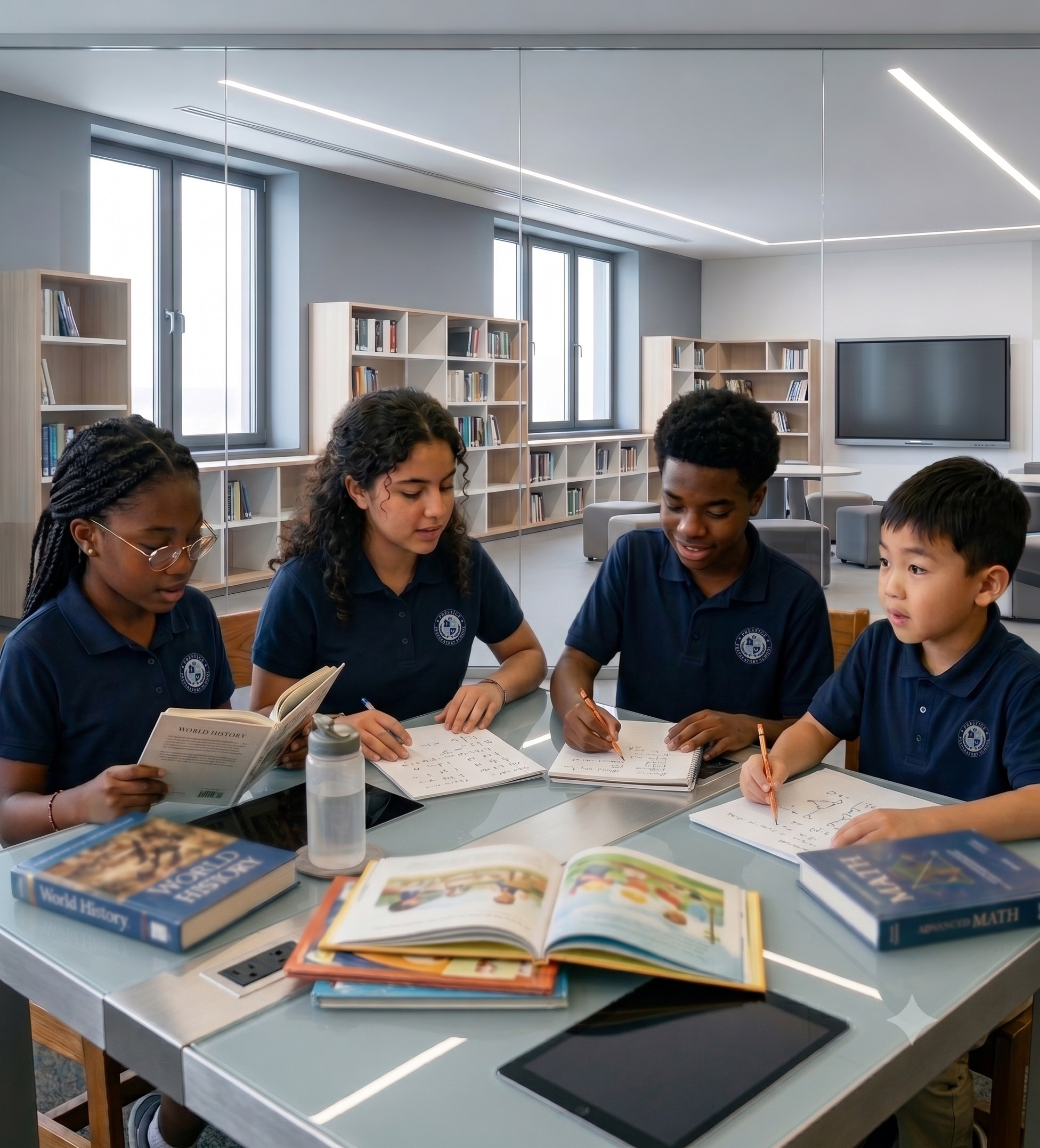
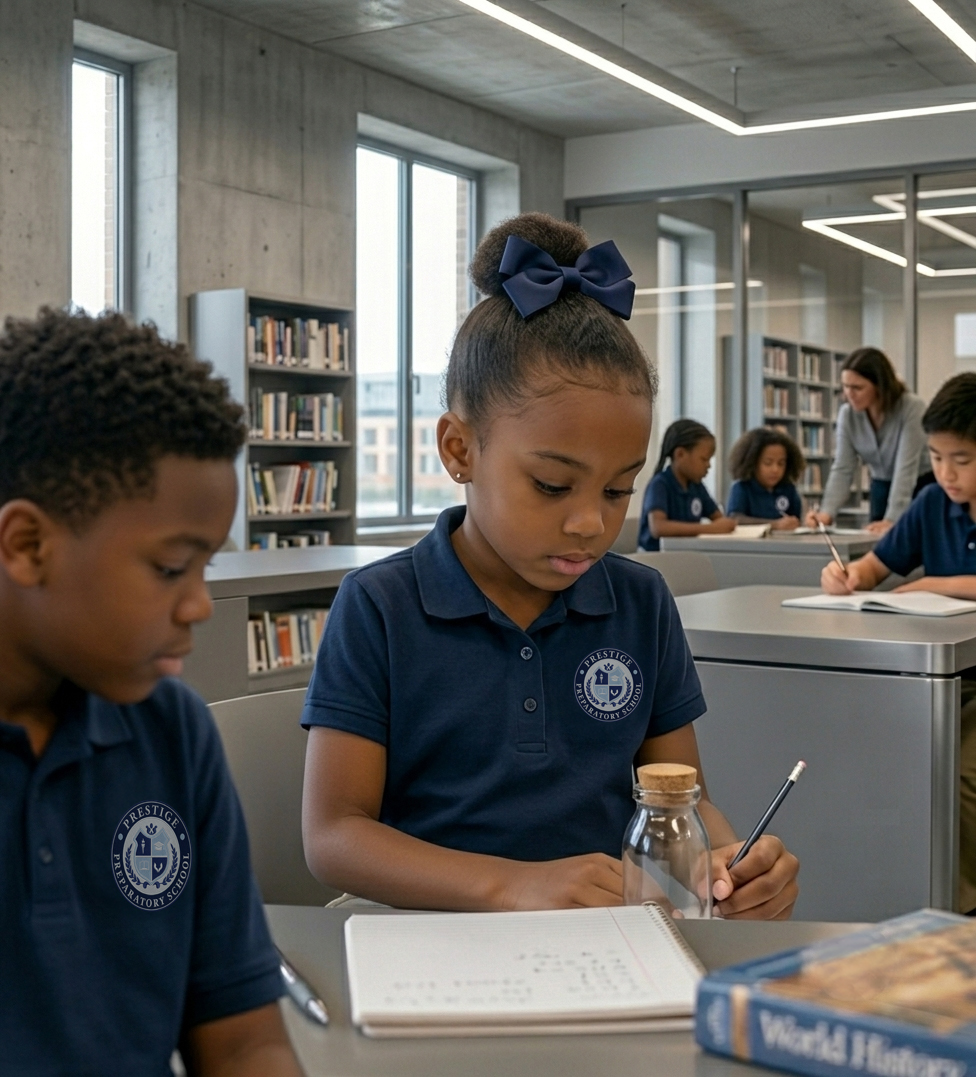
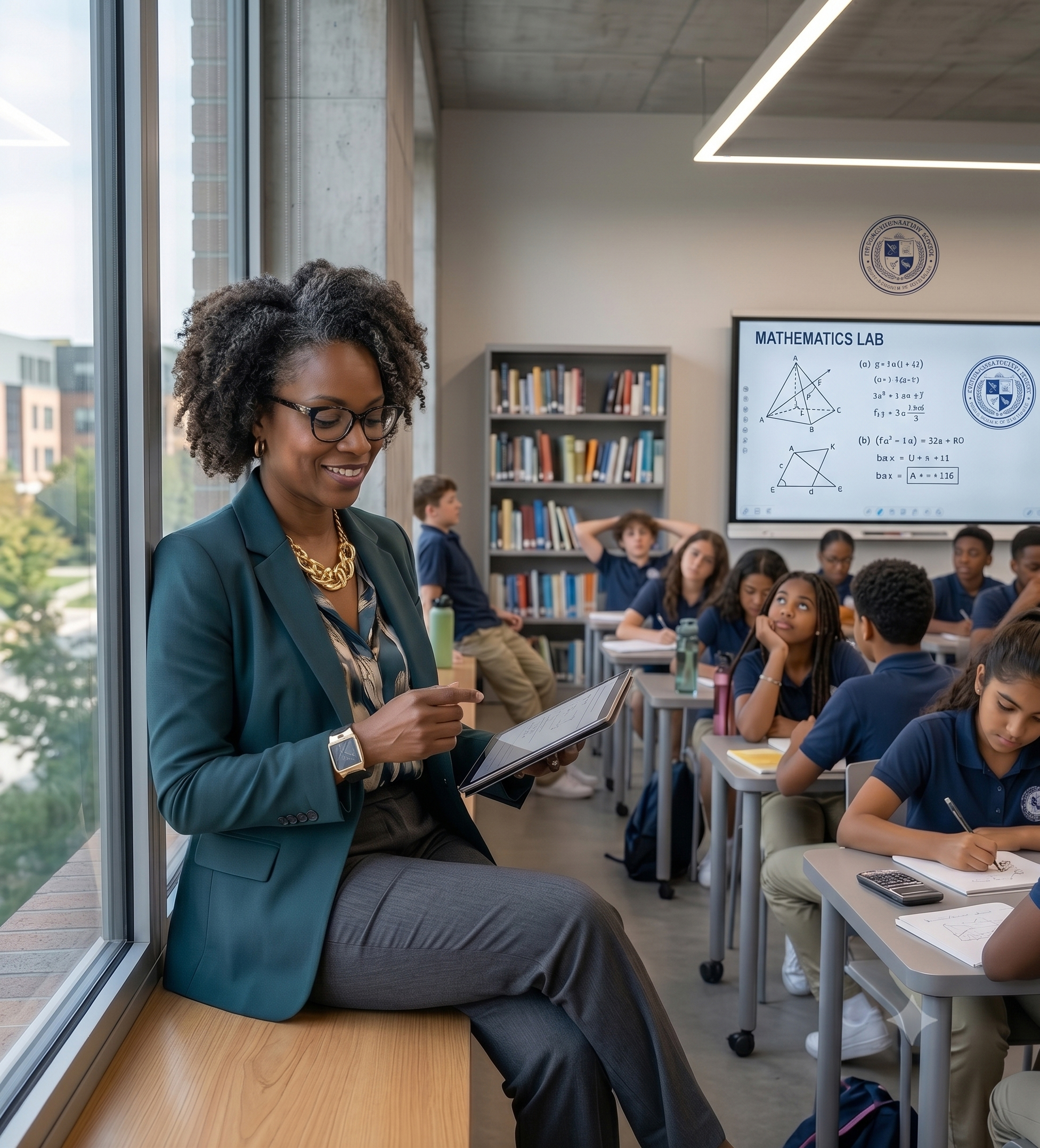
A typical day blends rigorous academics with personalized support, character development, and future focused learning. Students receive mastery based instruction, dedicated enrichment and intervention time, daily character education, and opportunities to build real world skills in digital literacy, financial literacy, entrepreneurship, and career exploration.
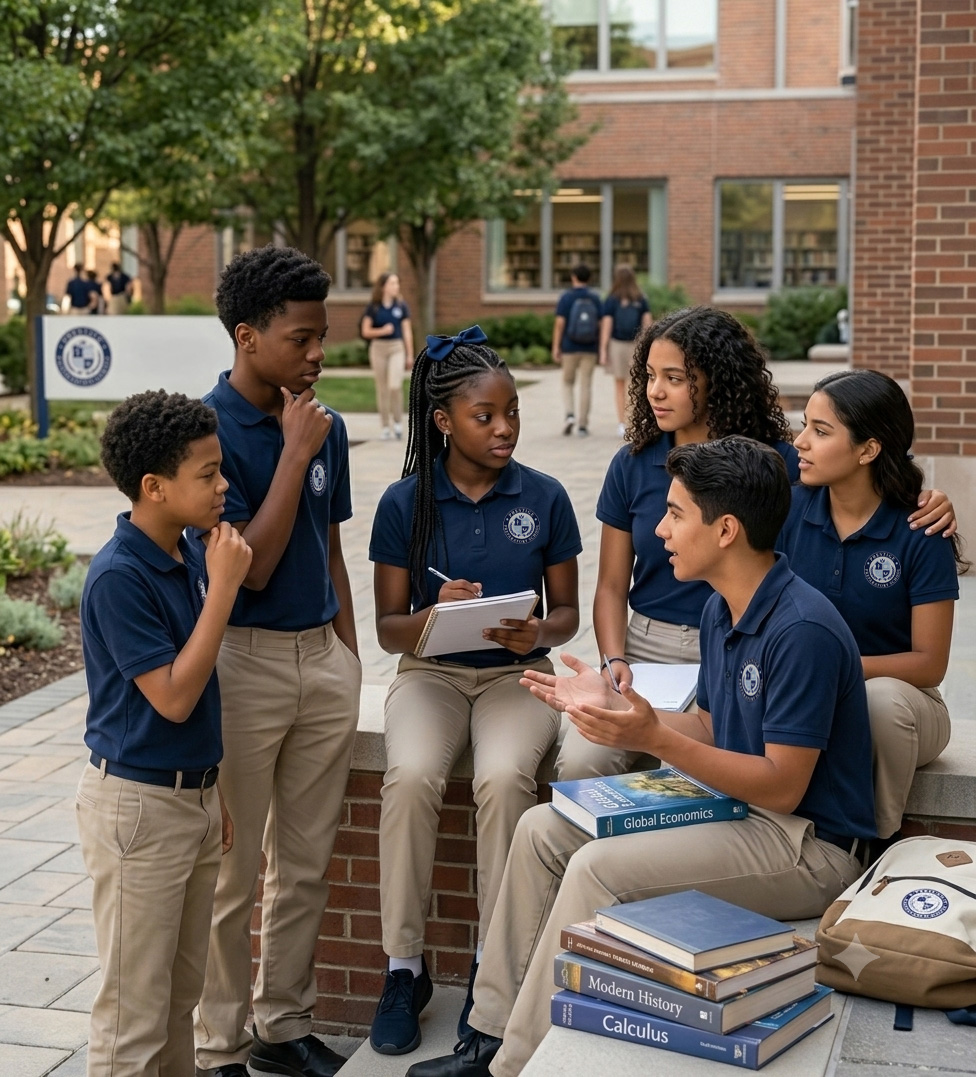
Prestige creates a safe, welcoming, and affirming environment where every student leader is treated with dignity. Through small class sizes, daily advisory, character education, and trauma informed social emotional learning, students receive intentional support as they adjust to and become part of the Prestige community.
Yes, breakfast, lunch, and snacks are provided to all students free of charge.
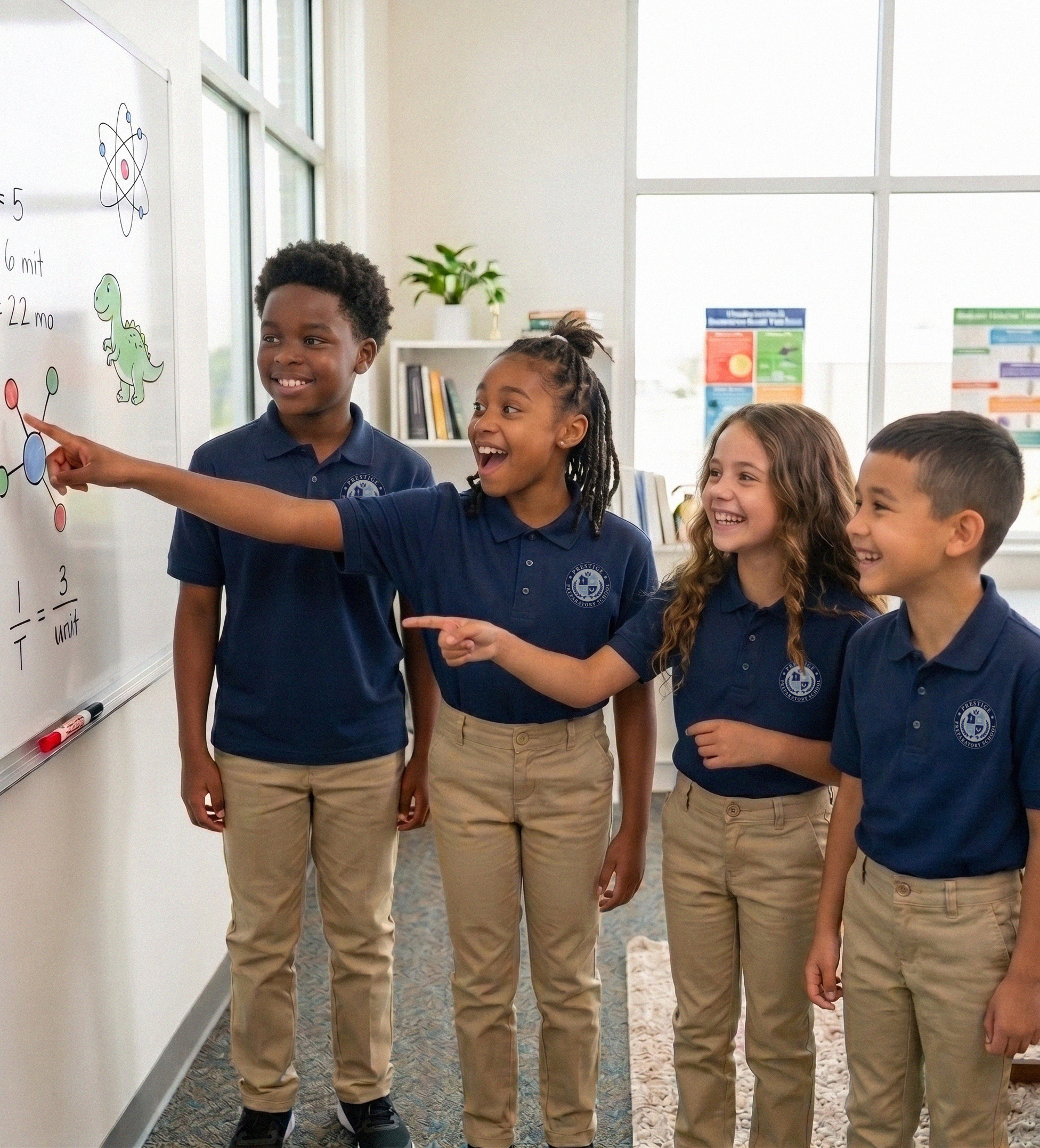
Prestige educates the whole child. We are committed to creating a safe, loving, welcoming, and affirming environment. Clear expectations, character education, trauma-informed teaching, and social emotional learning help create predictable learning environments where student leaders feel supported and respected.
Prestige combines rigorous academics, character formation, and career readiness through mastery based learning, small class sizes, hands on instruction, and opportunities that prepare scholars for success in school and beyond.
In year one, Prestige will serve kindergarten, first grade, and third grade. We will add one new grade level each year.
Yes. Prestige families will have access to transportation services.
Yes. Public charter schools are public schools. As such, they receive public funding, cannot charge tuition, must have fair and open enrollment, must be secular, and are required to serve all student populations, including students with disabilities and English language learners.
No. Public charter schools are public schools of choice. Unlike private schools, they receive public funding, cannot charge tuition, and cannot use admissions criteria. They are also subject to many of the same state and federal regulations as traditional public schools, including statewide assessments and accountability requirements.
Yes. As public schools, charter schools are required to serve students with special needs and comply with the Individuals with Disabilities Education Act (IDEA) and Section 504.
The claim that charter schools "take" funding from traditional public schools is inaccurate; under Georgia law, including SB 82, public education funding follows student enrollment, and the state legislator has even created a $750,000 financial incentive for local district authorizers to approve and support charter schools, reinforcing that they are part of Georgia's robust public system—not competitors to it. Public charter schools are, therefore, a complementary part of the public education landscape, operating with the same accountability and reporting expectations while often receiving less per-pupil funding.
Public charter schools serve students of all abilities, providing personalized instruction and support so every child can thrive academically and socially.
Public charter schools often partner with local businesses, organizations, and civic groups to offer real world learning experiences and strengthen community ties. Community demand can be evidenced through letters of support, pre enrollment forms, petition signatures of support, community event attendance forms, and more.